5 Lessons From a Secret Mountain Base Experiment in Rust
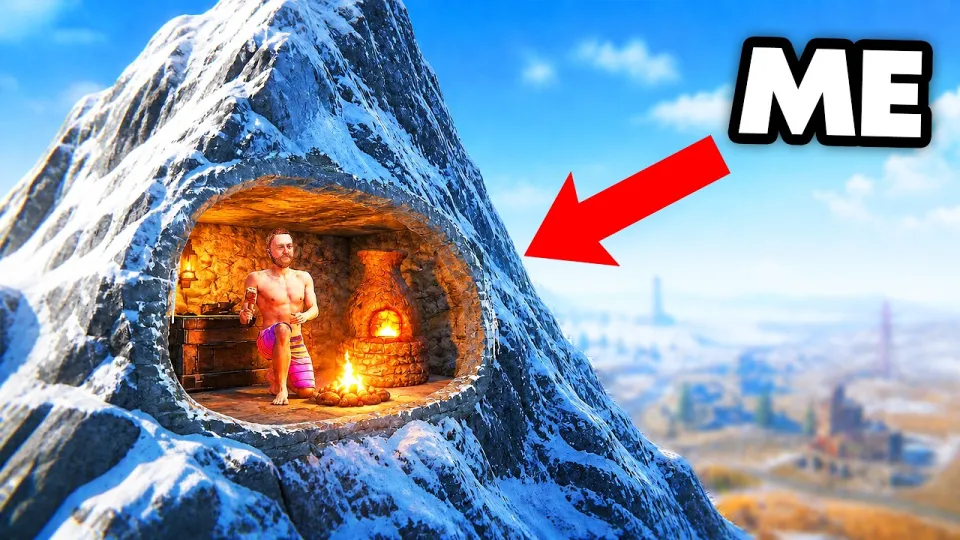
Video: I Lived in a Secret Mountain Base in Rust
Need articles like this for your video? They help promote it on YouTube and Google — order them in the Telegram bot @sat_sit_bot. It writes articles around your video, embeds the video and publishes them on popular niche websites (no ads). Your first 50 articles are free.
· based on the channel Memeio
Key takeaways
- A hidden mountain base in Rust survives on location and camouflage, not on walls — the whole point is to never be found.
- Small footprint builds (a 2x2 or 1x2) fit into terrain pockets that larger bases cannot use and cost almost nothing to replace.
- Broken wooden spears can be recycled into stone spears, effectively doubling your spear count for eco raids.
- Voice changers and on-stream personas are part of the act, but a forgotten voice changer is the fastest way to blow cover.
- No camouflage beats a player who scans ridgelines; a base visible from two neighbouring bases is not secret at all.
A secret mountain base in Rust works when the location does the hiding and the base itself stays small enough to be mistaken for terrain. Instead of stacking walls, you pick a spot that other players never climb to, keep the footprint tiny, and treat every visible corner as a failure. The approach shown in Memeio's mountain-base wipe is a practical lesson in stealth survival, and you can follow the same logic without copying a single blueprint. Updates on the creator's projects and streams land on Memeio's X profile.
Why a secret mountain base beats a fortified compound
A hidden base wins because raiders only attack what they can see and what looks worth the explosives. On a busy server, most raids are opportunistic: someone spots a base from a road, a bridge or a neighbouring roof and decides the cost is low enough. A mountain pocket removes that first step entirely. Even a modest stone base becomes effectively unraidable if nobody ever walks past it.
The trade-off is real. Mountain terrain is awkward, resources are further away, and a bad spawn can leave you running for minutes with a full inventory. That is the price of invisibility, and it is usually cheaper than rebuilding a 2x2 on the beach every other day.
Five rules that make a mountain hideout actually secret
These five rules cover the decisions that matter most when you build for concealment rather than defence.
- Pick terrain over architecture. Look for gaps between rocks, ledges under overhangs and slopes that break line of sight from the nearest road. If you can see three other bases from your spot, they can see you.
- Keep the footprint minimal. A 2x2 with a single triangle airlock is enough for a solo wipe. Every extra square metre adds a silhouette that reads as a player structure from a distance.
- Match the surroundings. Stone foundations against grey rock blend in; wooden walls on a bare ridge do not. Avoid bright doors, large furnaces and anything that glows at night.
- Control your light and sound. Campfires, furnaces and lanterns are visible from far away in the dark, and gunfire echoes across valleys. Smelt during the day, and fight somewhere other than your front door.
- Never lead a chase home. If someone follows you up the mountain, break line of sight, take a different route, or simply log off away from the base. One curious player is enough to end a hidden wipe.
Loot luck and the economy of a small wipe
Starting a wipe with a lucky loot run changes the entire plan, and viewers of these videos regularly suspect the early-game windfalls are a running joke rather than pure chance. Whether or not the luck is scripted for entertainment, the lesson holds: early progress compresses everything that follows. A single good crate can fund tools, a workbench and enough stone to get a base down before the first night.
For a hidden build, that early boost matters more than usual. You are not near a monument, so you cannot rely on repeated runs to a gas station. Front-load your farming, get the core down fast, and only then expand. If the loot does not come, a mountain base is still viable — it just takes an extra hour of hitting nodes and recycling components.
Eco raiding tricks worth stealing
Eco raiding is the art of breaking into a base with cheap gear, and one trick from the community is genuinely useful: broken wooden spears can be crafted into stone spears. Because damaged spears still count as wooden spears for crafting, you can carry a stack of broken ones ahead of your intact spears in the inventory and effectively double the number of stone spears you bring to a raid. For a solo player with limited sulphur and no explosives, that is a meaningful upgrade over throwing wooden spears that bounce off stone.
The same economy applies to your own defence. If cheap spears and stone tools are enough to crack soft targets, then soft targets are exactly what you should not be. Upgrade doors before you upgrade walls, and keep your most valuable loot in the room furthest from the entrance.
The camouflage problem nobody wants to hear
Most "secret" bases in Rust are only hidden from players who are not looking. A 2x2 perched on a ridgeline fifteen metres from two other bases is not stealth, it is decoration. The honest test is simple: stand on the nearest road at ground level and ask whether you can spot your own base. If yes, so can everyone else.
Genuine concealment usually means accepting a worse location. Cramped gaps, awkward slopes and spots that require a jump to reach are uncomfortable to live in, and that discomfort is the point. The best-hidden bases are the ones that are annoying to build and annoying to farm from.
What a hidden wipe actually looks like day to day
Daily life in a mountain hideout is quieter and slower than a beach start. You farm in short loops, avoid main roads, and treat every distant player as a threat to your location rather than a fight to take. Progression comes from recycling, small monument runs at odd hours and careful inventory management, not from holding a chokepoint.
That pace is not for everyone. Players who enjoy open PvP will find it dull, and players who enjoy big builds will find it cramped. But for a solo player on a crowded server, the appeal is obvious: a wipe where nobody knocks on your door is a wipe you actually get to finish.
Questions players ask about hidden bases in Rust
Is a mountain base actually safer than a normal base?
Yes, if the location is genuinely concealed. Most raids start with someone spotting a base and estimating the cost, so removing visibility removes the raid. The catch is that a mountain base is worse in every other respect: farming distance, build space and escape routes.
How small should a hidden base be?
Small enough that it reads as terrain from a distance. For a solo player, a 2x2 with one airlock is usually the practical maximum, and many successful hidden bases are 1x2 or even a single triangle. Storage and crafting space suffer, so plan your layout before you place the first foundation.
Do voice changers and personas help or hurt?
They are entertainment first and strategy second. A persona makes a video memorable, but it does not hide a base, and a forgotten voice changer mid-recording is the fastest way to break the act. Treat the character as content, not as camouflage.
What is the biggest mistake when building a secret base?
Building somewhere convenient. Convenience means proximity to roads, monuments and other players, and that is exactly where eyes are. The second biggest mistake is expanding after a good loot run — a base that grows stops being invisible.
Final thoughts on the secret mountain base experiment
The value of a hidden mountain base is not that it is clever, but that it removes the most common reason players get raided: being seen. Keep the footprint small, choose terrain over walls, control light and sound, and never lead a chase home. Memeio's mountain wipe is a good reminder that stealth in Rust is a discipline rather than a trick, and the channel's mix of trap bases and quiet survival runs makes the contrast easy to see. For more from the creator, follow Memeio on X, where updates and community posts are shared.
Source: I Lived in a Secret Mountain Base in Rust · Markdown version
Questions & answers
Is a secret mountain base in Rust actually worth it for a solo player?
For most solo players on crowded servers, yes. A concealed base removes the opportunistic raids that end most wipes, and a small footprint keeps the rebuild cost low. The trade-off is longer farming routes and cramped living space.
How do I stop other players from finding my hidden base?
Control what gives you away: light from furnaces and campfires, noise from gunfire, and the route you take home. Never run straight to your door after a fight, and avoid building within sight of roads or other bases.
What is the broken spear trick for eco raiding?
Broken wooden spears still count as wooden spears for crafting, so you can turn them into stone spears. Carrying a stack of broken spears ahead of your intact ones in the inventory effectively doubles the number of stone spears you can bring.
Why do Rust videos always seem to start with lucky loot?
Early loot compresses the whole wipe into a shorter, more watchable story, and creators often cut or replay the best moments. Treat those windfalls as entertainment rather than a normal expectation, and plan for a slower start.